
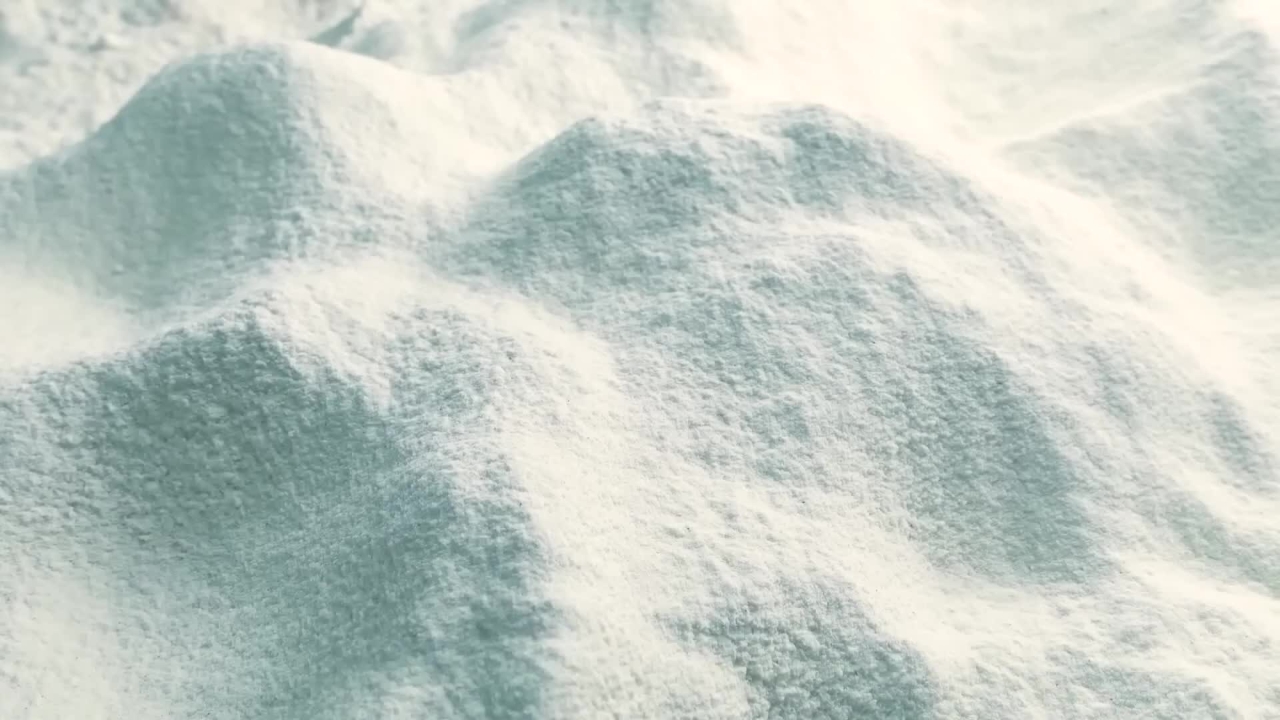
How Milk Powder is Made Modern Milk Powder Processing Plant
Milk powder is a popular and widely used dairy product. It is used as a versatile ingredient in many foods and drinks.
Milk powder is a popular and widely used dairy product. It is used as a versatile ingredient in many foods and drinks.
1
Step 1 of 57Milk powder is a popular and widely used dairy product. It is used as a versatile ingredient in many foods and drinks.
2
Step 2 of 57It's created by taking the water out of milk, resulting in a concentrated product.
3
Step 3 of 57This not only prolongs its shelf life but also makes it easy to store and transport.
4
Step 4 of 57The dehydration process is key. It allows milk to last longer without needing refrigeration, proving especially valuable in areas where fresh milk is hard to come by.
5
Step 5 of 57Now let's explore the process behind making this dairy product.
6
Step 6 of 57Ensuring top-notch milk quality begins with providing cows high-quality feed.
7
Step 7 of 57Silage is a type of feed made from crops that are chopped and stored in airtight conditions.
8
Step 8 of 57It is a popular and nutritious feed for cows. It can be stored for long periods, making it ideal for year-round feeding.
9
Step 9 of 57Silage is usually harvested during the summer months, when grass and other crops are abundant.
10
Step 10 of 57It is then stored and fermented in silos, which creates an anaerobic environment that preserves the nutrients in the feed.
11
Step 11 of 57The silage is then fed to the cows throughout the year, providing them with a constant source of nutrition.
12
Step 12 of 57The journey to milk powder creation commences with the collection of milk from cows.
13
Step 13 of 57Dairy farmers typically use machines to milk their cows, which are designed to be gentle and efficient.
14
Step 14 of 57During the milking process, the cows are placed in a milking parlor, which is a large area with multiple stalls for the cows.
15
Step 15 of 57The machines are then attached to the cows udders, and the milk is collected in a tank.
16
Step 16 of 57The machines are equipped with soft rubber cups that are placed over the cows' teats.
17
Step 17 of 57These cups create a vacuum that gently massages the udders, encouraging the milk to flow.
18
Step 18 of 57The milk is then transported through a series of tubes and filters into a storage tank.
19
Step 19 of 57This process is carefully monitored to ensure that the cows are comfortable and that the milk is collected hygienically, following strict sanitary standards.
20
Step 20 of 57The machines are cleaned and sanitized before and after each milking session to maintain the quality and safety of the milk.
21
Step 21 of 57This modern milking process not only ensures the well-being of the cows, but also allows for efficient milk collection, making it possible to produce milk powder on a large scale.
22
Step 22 of 57After the cows are milked, they are often reunited with their calves. This is an important part of the milking process, as it helps to ensure the health and well-being of both the cows and their calves.
23
Step 23 of 57The calves are typically kept in a separate area of the farm, where they are fed a special diet to help them grow and develop.
24
Step 24 of 57This diet is carefully formulated to provide the calves with the nutrients they need to thrive.
25
Step 25 of 57The bond between a cow and her calf is strong, and allowing them to spend time together after milking helps to reduce stress and promote a sense of well-being.
26
Step 26 of 57Once the calves are old enough, they are introduced to the rest of the herd and begin producing milk of their own.
27
Step 27 of 57This cycle of milking and calf rearing is an essential part of the dairy industry.
28
Step 28 of 57After the milk has been collected from the cows, it is transported to the dairy processing plant and refrigerated tankers.
29
Step 29 of 57Once it arrives at the plant, the milk is tested for quality and purity.
30
Step 30 of 57The milk undergoes rigorous quality checks for contaminants, bacteria, butterfat, and protein levels.
31
Step 31 of 57If it passes, it is transported to a large tank via tubes for efficient processing and storage.
32
Step 32 of 57The journey continues with pasteurization. Pasteurization is the process of heating milk to a specific temperature for a specific amount of time in order to kill any harmful bacteria that may be present.
33
Step 33 of 57This helps to ensure that the milk is safe for human consumption.
34
Step 34 of 57The milk is heated to around 72 degrees Celsius for 15 seconds, then cooled back down to around 4 degrees Celsius.
35
Step 35 of 57This process is known as high temperature short time or HTST pasteurization.
36
Step 36 of 57Following pasteurization, the milk enters a concentration process where water is removed to enhance the milk powder's shelf life.
37
Step 37 of 57Preheating to approximately 60 degrees Celsius preserves the taste and the milk is then sprayed into a heated chamber.
38
Step 38 of 57Here, hot air evaporates at least 80 percent of the moisture, leaving a concentrated milk product with heightened stability and longevity.
39
Step 39 of 57This concentrated milk product is then further dried to create milk powder.
40
Step 40 of 57Concentrated milk is then injected under high pressure into the drying tower where it is mixed with hot air at a temperature of around 220 degrees Celsius.
41
Step 41 of 57This process helps to evaporate the remaining moisture from the milk, leaving behind nothing but powder.
42
Step 42 of 57As a general estimate, it often takes about 9 to 10 ounces of liquid milk to produce one ounce of milk powder.
43
Step 43 of 57The drying process typically takes several hours. To ensure that the milk powder is easily dissolvable in water, soy lecithin is added.
44
Step 44 of 57It helps to create a smooth and consistent texture in the milk powder.
45
Step 45 of 57This thorough drying process guarantees the stability and longevity of the milk powder, making it suitable for long-term storage without the need for refrigeration.
46
Step 46 of 57Once the milk powder has been created, it goes through a crucial quality testing process to ensure its freshness and safety.
47
Step 47 of 57After the quality testing is complete, the milk powder is ready for packaging.
48
Step 48 of 57Proper packaging is crucial for preserving the quality and shelf life of the milk powder.
49
Step 49 of 57It protects the product from external factors such as light, air, and humidity, which can degrade its quality over time.
50
Step 50 of 57Additionally, the packaging ensures that the milk powder remains safe and hygienic until it is opened and consumed.
51
Step 51 of 57At last, the bags are sealed and labeled with the brand name and nutritional information, ensuring that consumers have all the necessary information about the product.
52
Step 52 of 57Once the milk powder is packaged, it is then transported to distribution centers and eventually to retail stores, where it is made available for purchase by consumers.
53
Step 53 of 57Every year, the world needs about 11 million tons of milk powder.
54
Step 54 of 57The top consumers of milk powder are China, India, Indonesia, Vietnam, and Mexico.
55
Step 55 of 57And there you have it, the journey from cow milking to milk powder making.
56
Step 56 of 57We hope you enjoyed learning about the process today. If you found this video informative, don't forget to give it a thumbs up and subscribe to our channel for more interesting content.
57
Step 57 of 57Thanks for watching and we'll see you in the next video.