
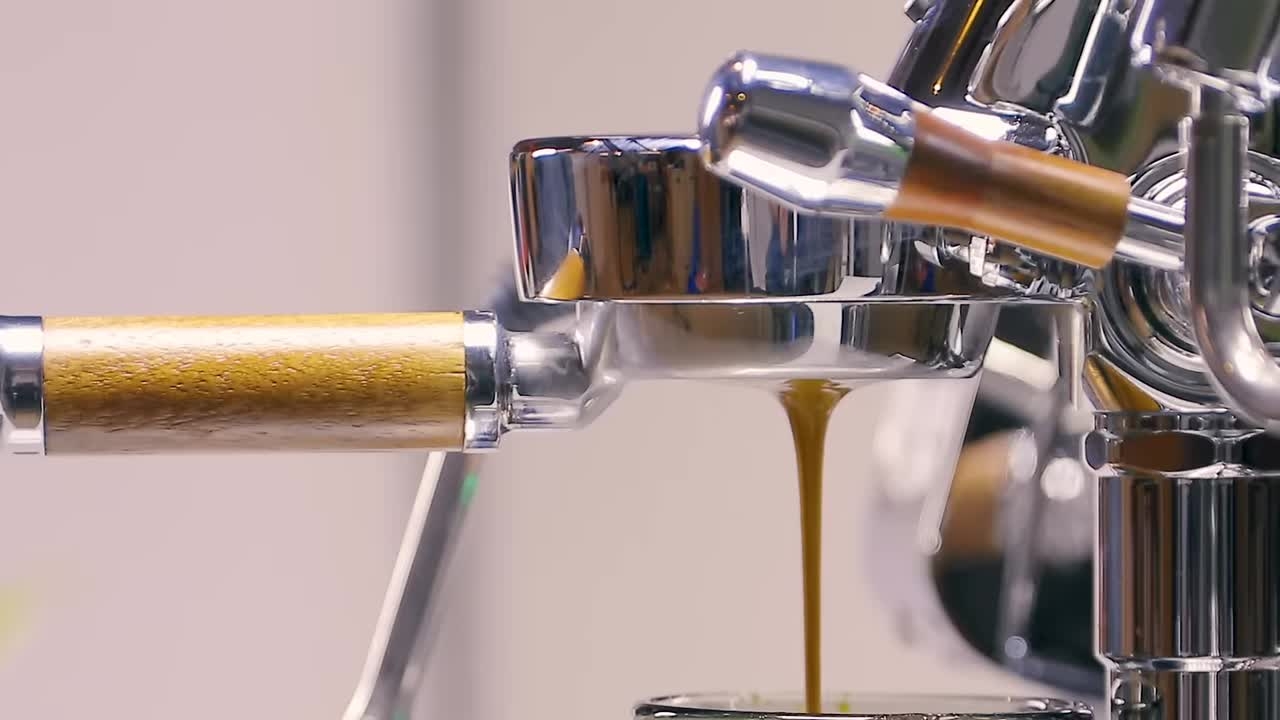
Espresso Pucks What Matters What Doesnt
When pulling espresso, a lot of attention gets put on the puck of grounds in the portafilter.
When pulling espresso, a lot of attention gets put on the puck of grounds in the portafilter.
1
Step 1 of 35When pulling espresso, a lot of attention gets put on the puck of grounds in the portafilter.
2
Step 2 of 35Maybe it shouldn't be a surprise since it's the epicenter of the entire process. What can be difficult at times is discerning what matters and what doesn't.
3
Step 3 of 35Today I'll be addressing some of the most common questions we get asked regarding what's happening at the puck and separating the wheat from the chaff.
4
Step 4 of 35First we'll look at what's not important, starting with one of the most common questions posed by new baristas.
5
Step 5 of 35Why is the puck so soggy? For some reason this is generally interpreted as some kind of foreboding omen, a sign of some espresso sin that must be identified, rectified, and repented for.
6
Step 6 of 35In reality it probably means nothing at all. We've had great shots from soggy pucks and terrible ones from beautiful pucks.
7
Step 7 of 35The additional water could be there for one of a few reasons, including but not limited to the size of your grind, the volume of your dose compared to the size of your basket, and even the roast of your coffee.
8
Step 8 of 35At the end of the day what matters is what's in the cup. We left that water in the machine for a reason.
9
Step 9 of 35Next up, tamp pressure. As a barista you'll get all manner of conflicting advice about how much pressure to tamp with and why it matters.
10
Step 10 of 35The result of our research matches that of many of our peers. It really doesn't matter that much.
11
Step 11 of 35A harder tamp does very little if anything to slow down a shot. If your espresso doesn't appear to be pulling to recipe look at grind, dose, and coffee freshness before trying to press that puck through your counter.
12
Step 12 of 35Last for the unimportant category is the ridge in your basket.
13
Step 13 of 35Many portafilter baskets have a small ridge on the inside which sum into it to be a sort of max fill line or a dosing aid.
14
Step 14 of 35In reality the ridge simply helps the basket get a better grip from the spring in your portafilter holding it in more snugly.
15
Step 15 of 35When looking at picking up a precision basket like the VST, people often wonder what the difference is between the ridged and ridgeless versions and if they have any impact on extraction.
16
Step 16 of 35The ridgeless basket simply lacks this ridge. Some people prefer it because it's easier to insert and remove from their portafilter and something it might produce a slightly more even flow.
17
Step 17 of 35We haven't been able to discern a difference between the results in ridged and ridgeless baskets but either way we're sure you'll get more consistent results using a VST over a standard basket.
18
Step 18 of 35Now that we've identified the dead ends let's look at what does matter. Starting with one of the most important steps in pulling a great shot.
19
Step 19 of 35Tamping and distribution. We've made a comprehensive video on this topic that I highly recommend watching if you haven't already.
20
Step 20 of 35To summarize ensuring that your coffee is spread evenly across the surface of the basket while grinding and verifying your tamp is nice and level will make a huge impact on extraction.
21
Step 21 of 35Distribution tools and calibrated tampers can go a long way to making this simple and repeatable.
22
Step 22 of 35Next make sure you're using the proper dose for your basket. While you'll often hear the term single double and triple many baskets especially nicer ones have a particular dose weight.
23
Step 23 of 35Generally that's seven grams for a single basket, 18 grams for a double basket and 20 grams for a triple basket.
24
Step 24 of 35While we like to stick to 20 gram baskets there are many variations with VST even making a 22 gram basket.
25
Step 25 of 35The important thing is sticking to the proper dose. String by more than a single gram can cause wildly inconsistent results.
26
Step 26 of 35Another important thing to look out for is channeling. Any sign of channeling is telling you something about what's going on inside the puck during extraction.
27
Step 27 of 35The surest way to spot it is by looking at the underside of your port of filter basket while your shot is pulling.
28
Step 28 of 35The way the first drops come through the filter gaps in extraction and spraying can all be warning signs.
29
Step 29 of 35If you want to know more about channeling and how to spot it we have a video on just that.
30
Step 30 of 35The last and certainly most important thing to pay attention to isn't in the puck it's in your cup.
31
Step 31 of 35It's always good to remember that at the end of the day the taste of your espresso matters more than anything else.
32
Step 32 of 35Not only because this whole craft is about a joy and nice shot but also because your tongue is a hyper sensitive tool that can detect minute chemical differences.
33
Step 33 of 35All these other details are just steps on the way to taking a sip, trusting your tongue, and sitting down to enjoy some great coffee.
34
Step 34 of 35If this video answered some of the questions swirling around in your group head be sure to hit the like button.
35
Step 35 of 35If you have any other questions I'd be glad to field them in the comments below. For more coffee knowledge, tamp subscribe and as always thanks for watching.