
Emergency Injections Emergency Medicine and their uses in
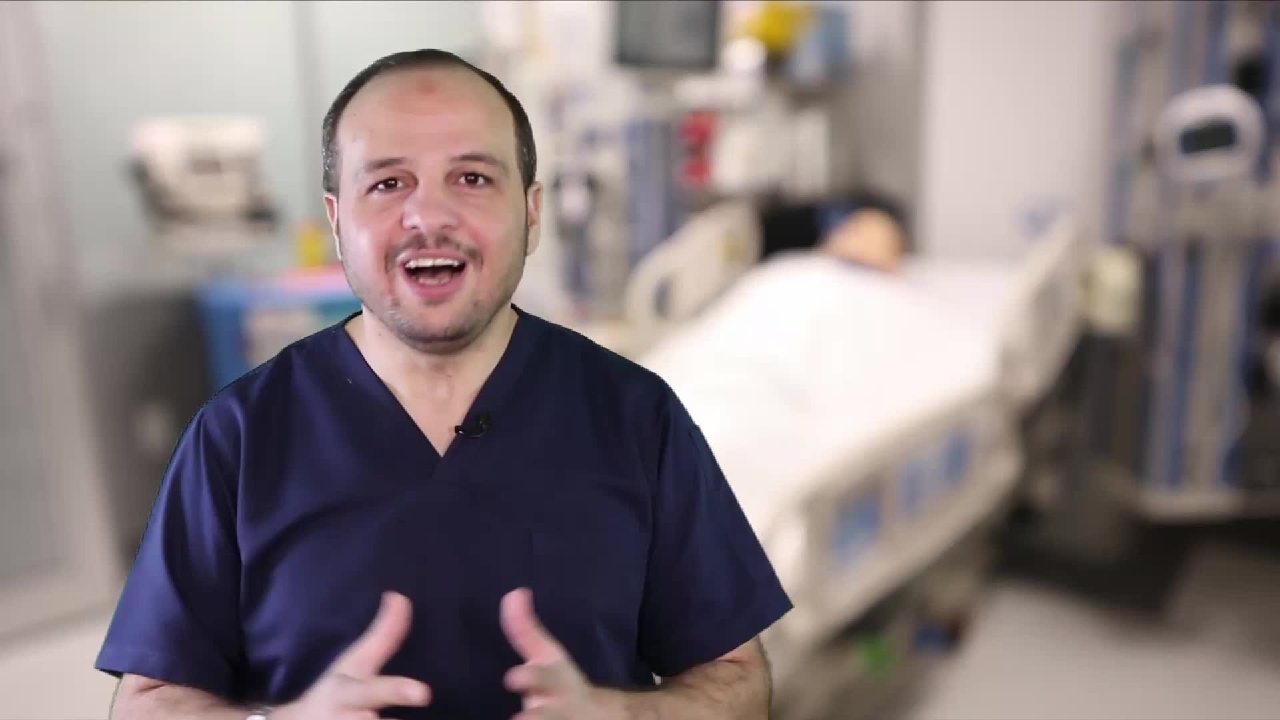
Hi, in this video we will speak about crash cart medications. Let's start by the most famous and important medication which is Ebenefren.
Hi, in this video we will speak about crash cart medications. Let's start by the most famous and important medication which is Ebenefren.
1
Step 1 of 25Hi, in this video we will speak about crash cart medications. Let's start by the most famous and important medication which is Ebenefren.
2
Step 2 of 25Ebenefren has like multi-function. It can increase the heart rate, it will make vasoconstriction to increase the blood pressure, it will make bronchodilation.
3
Step 3 of 25You can administer the Ebenefren by using like the IV intraoccius or bare endotracheal tube.
4
Step 4 of 25It might be that those will be like double. Adenosine. If your patient has SVT, usually they will use like vagal maneuver like carotid massage or Valsalva maneuver.
5
Step 5 of 25Now if this one did not work, they will start to think about adenosine.
6
Step 6 of 25For the unstable patient with a regular and narrow QRS complex, adenosine may be also considered prior to synchronized cardioversion.
7
Step 7 of 25When injected into the body, adenosine is rapidly absorbed and metabolized.
8
Step 8 of 25In light of this, adenosine should be administered very rapidly, intervenously.
9
Step 9 of 25The first dose of adenosine should be 6 mg administered rapidly, over 1 to 3 seconds, followed by 20 ml of normal saline.
10
Step 10 of 25The patient's rhythm does not convert T within 1 to 2 minutes, then they can go to the 12 mg dose and it might be given in the similar fashion.
11
Step 11 of 25As a side effect of the adenosine, patient might feel flushing, chest pain, tightness, briefly acestole or bradycardia.
12
Step 12 of 25Atropine. Your patient has bradycardia, first thing coming to your mind is atropine.
13
Step 13 of 25Amidurone. Used for treatment of various types of tachyarrhythmias.
14
Step 14 of 25For cardiac arrest, amidurone is used after the third shock for ventricular fibrillation and ventricular tachycardia that unresponsive to shock.
15
Step 15 of 25If your patient has V-fib, ventricular fibrillation or ventricular tachycardia without pulse during the CBR, the first dose based on the AHA is 300 mg.
16
Step 16 of 25The second dose will be 150 mg. For other tachyarrhythmias, the dose will be 150 mg and you will give it over 10 minutes.
17
Step 17 of 25Magnesium sulfate, which is used commonly to treat torsades, d-points, ventricular tachycardia.
18
Step 18 of 25Lidocaine. Although lidocaine was removed from the cardiac arrest algorithm diagram, it is still considered as a suitable alternative if amidurone is ineffective or unavailable in the cardiac arrest from V-tach or V-fib.
19
Step 19 of 25Calcium chloride used in the crash cart if the patient has hyperkalemia to protect the heart muscle.
20
Step 20 of 25It can also used in the high vocalcemia and also can used to the hypermagnesemia.
21
Step 21 of 25Sodium bicarb giving to the metabolic acidosis patient. Dopamine is to treat the hypotension and for the bradycardia as well.
22
Step 22 of 25The extra 50%. Actually it's indicated if the patient has hyperkalemia and you need to give insulin, you will give the 10 unit insulin mixed in the 50 ml of dextrose 50%.
23
Step 23 of 25Then you will give it to the patient to treat the hyperkalemia and you are not making the patient to become hypoglycemia.
24
Step 24 of 25Also you can use it for the hypoglycemic patients. Hope you enjoyed these videos.
25
Step 25 of 25Thank you so much.